
Ceuta Migration Crisis 2026: What Happened at the Morocco-Spain Border?
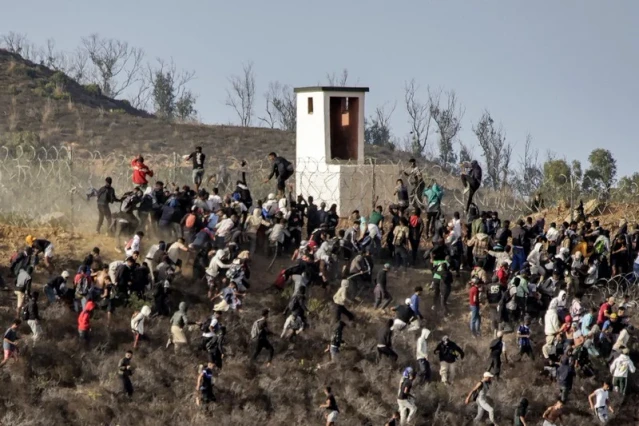
The border between Morocco and the Spanish enclave of Ceuta has once again become the center of international attention following renewed attempts by migrants to reach the territory irregularly. The latest events have raised fresh questions about migration, border security, social media, economic hardship, and the dangerous routes used by people hoping to reach Europe.
- Moroccan security forces intercepted hundreds of people near Fnideq on August 15.
- Authorities acted after social media messages encouraged another mass attempt to reach Ceuta.
- No large-scale breach of the Ceuta border was reported on that day.
- The events came shortly after a much larger migration crisis earlier in the summer.
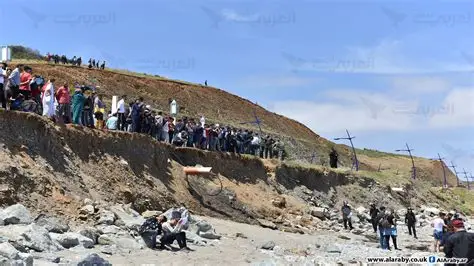
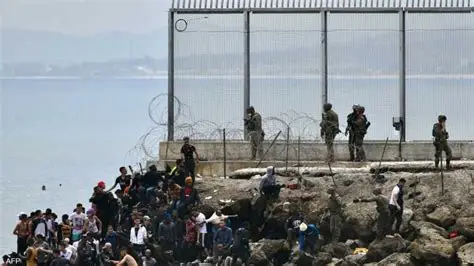
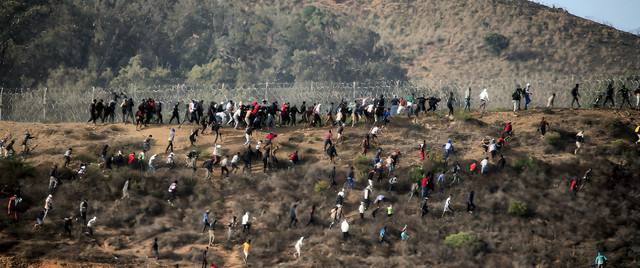
Table of Contents
- What happened near Ceuta?
- Why is Ceuta so important for migrants?
- The role of social media
- A much larger crisis happened earlier
- Why do people risk their lives?
- The human cost of irregular migration
- Morocco's response
- Spain's response
- A border between two continents
- What could happen next?
- The importance of accurate information
- Conclusion
What Happened Near Ceuta?
On Saturday, August 15, Moroccan security forces intercepted hundreds of people near the northern city of Fnideq, close to the border with Ceuta. The operation came after calls circulated on social media encouraging another mass attempt to cross into the Spanish enclave.
According to Moroccan authorities and reports cited by international media, 294 people were intercepted on August 15, while additional arrests were made involving people accused of encouraging or facilitating irregular migration.
During the days leading up to August 15, messages and calls circulated online encouraging migrants to approach the border with Ceuta. Spanish and Moroccan authorities responded by significantly increasing security around the area. Roads leading toward Fnideq and the border were monitored, while additional security personnel were deployed to prevent a large-scale crossing.
Despite fears of another major incident, there was no reported mass breach of the Ceuta border on August 15.
Why Is Ceuta So Important for Migrants?
Ceuta is a small Spanish territory located on the northern coast of Africa and surrounded by Morocco. Because Spain is part of the European Union, reaching Ceuta can represent a potential route into European territory for migrants who hope to find work, safety, or a better future.
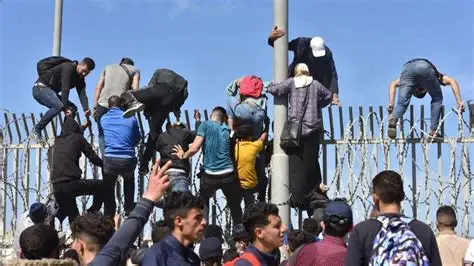
For years, the Ceuta and Melilla borders have been among the most sensitive migration points between Africa and Europe. Migrants from different parts of Africa have attempted to reach Ceuta through several routes, including crossing land barriers or attempting dangerous sea journeys.
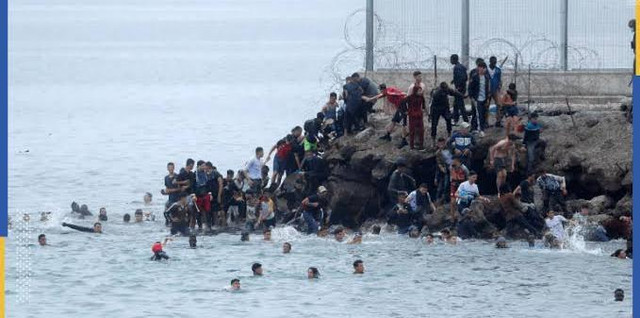
However, reaching the territory can be extremely dangerous. Strong currents, exhaustion, overcrowding, and panic can turn an attempted sea crossing into a life-threatening situation within minutes.
A Much Larger Crisis Happened Earlier
The August 15 events did not happen in isolation. Ceuta had already experienced a major migration crisis only weeks earlier. In late July 2026, tens of thousands of people attempted to reach the Spanish enclave, creating an extraordinary situation for local authorities.
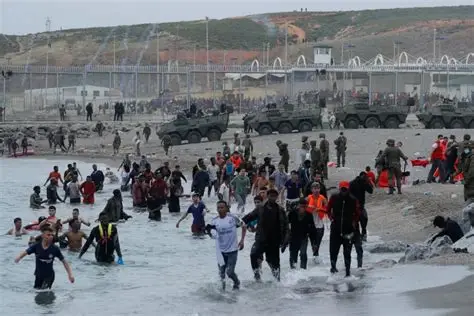
Reuters reported on August 16 that more than 72,000 people had surged into Ceuta during that earlier episode, while thousands remained in the territory weeks later. The situation created significant pressure on local accommodation, reception, and health services.
The previous crisis also resulted in a significant loss of life. Different sources have reported different death tolls, and the exact number of people who died remains disputed. Reuters reported at least 94 confirmed deaths, while other reports and human-rights organizations have cited higher figures.
Why Do People Risk Their Lives?
Migration is rarely caused by one single factor. For some people, the motivation is economic. They may live in places where employment opportunities are limited, wages are low, and supporting a family is difficult.
For others, the reasons can include conflict, insecurity, political instability, persecution, or a lack of basic opportunities. Some migrants spend months or even years traveling before reaching North Africa. By the time they arrive near the European border, they may already have endured dangerous journeys through several countries.
The dream of reaching Europe can become extremely powerful, particularly when people see images and videos online showing European cities, jobs, and lifestyles. But social media often shows only one side of the story.
Life in Europe can also involve unemployment, expensive housing, legal difficulties, discrimination, and long periods of uncertainty for people without legal status.
The Human Cost of Irregular Migration
Behind every migration statistic is a human story. A number such as 294 people can appear abstract when presented in a news report. But each person has a family, personal history, hopes, and fears.
The greatest concern is what happens when people attempt dangerous crossings. Swimming from the Moroccan coast toward Ceuta can be particularly hazardous. Even strong swimmers can become exhausted because of waves, currents, and long distances.
When hundreds or thousands of people move at the same time, the danger can increase dramatically. Previous incidents in the region have demonstrated how quickly a border crossing can turn into a humanitarian emergency.
Morocco's Response
Morocco has increased security around the northern border in response to repeated attempts to cross into Ceuta and Melilla. Security operations have involved police and other security forces, road controls, and surveillance around areas considered likely routes toward the border.
Following the calls for another mass crossing on August 15, Moroccan authorities reinforced their presence around Fnideq and surrounding areas. Moroccan officials have repeatedly emphasized the country's role in preventing irregular migration toward Europe.
The issue is particularly important because Morocco is one of Europe's main partners in managing migration routes across the western Mediterranean.
Spain's Response
Spanish authorities have also reinforced security around Ceuta. The Spanish side has used additional police personnel and other resources to monitor the border and prevent irregular crossings.
The situation has also created political debate inside Spain. Some politicians and security organizations have criticized the authorities for what they consider insufficient preparation before previous migration surges, while the government has defended its response and emphasized humanitarian considerations.
The debate shows how complicated the issue has become. Spain must protect its borders while also dealing with asylum requests, humanitarian emergencies, and European immigration law.
A Border Between Two Continents
The Ceuta border is more than just a physical boundary. It represents the meeting point between Africa and Europe and has become a symbol of the enormous economic and social differences between neighboring regions.
For many migrants, Europe represents opportunity. For European authorities, however, uncontrolled migration creates major logistical, political, and security challenges. For Morocco, the country must balance its relationship with the European Union with its own domestic security and migration policies.
This makes Ceuta one of the most politically sensitive borders in the Mediterranean.
What Could Happen Next?
The situation remains closely watched following the events of August 15. The increased security presence makes another immediate mass crossing less likely, but the underlying causes of migration have not disappeared.
As long as people continue to face poverty, unemployment, conflict, or insecurity, there will probably continue to be pressure on migration routes toward Europe. Social media is also likely to remain an important factor.
Authorities may attempt to prevent the spread of false information, while migrants and migration networks can continue using online platforms to communicate and organize.
The Importance of Accurate Information
The Ceuta crisis also demonstrates why people should be careful when sharing information online. During rapidly developing events, social media posts can spread much faster than official confirmations.
A rumor about an open border can potentially convince hundreds or thousands of people to travel toward a dangerous location. For this reason, people should verify important claims through reliable news organizations and official sources before believing or sharing them.
The difference between a verified report and an unconfirmed social-media claim can be extremely important when people's lives are involved.
Conclusion
The latest events around Ceuta show that the migration crisis between Morocco and Spain remains unresolved. On August 15, Moroccan security forces intercepted hundreds of people near Fnideq after calls circulated online encouraging another mass crossing.
The feared large-scale breach of Ceuta did not occur, but the incident demonstrated that migration pressure remains high. The deeper story goes beyond border fences and security forces.
It is a story about poverty, opportunity, desperation, international cooperation, European migration policy, and the human desire for a safer and better life. Finding a lasting solution will require more than stronger borders. It will also require addressing the conditions that encourage people to risk their lives in the first place.
Ceuta remains one of the most closely watched migration routes between Africa and Europe. The events of August 2026 are likely to continue influencing the debate over migration, border security, and humanitarian responsibility in the months ahead.
The Role of Social Media
One of the most important aspects of the latest events is the role played by social media. Calls for a new mass crossing were reportedly shared online before August 15. These messages helped spread information about a specific date and encouraged people to move toward the border.
This demonstrates how quickly social media can mobilize large numbers of people. At the same time, online information can be extremely unreliable. Rumors about borders being open or security measures being relaxed can encourage people to take enormous risks without knowing whether the information is true.
Authorities on both sides have previously warned people against believing unverified online claims about migration opportunities.